Indicators and Criteria for Sustainable Tea Farming Identified
16 December 2025
16 December 2025
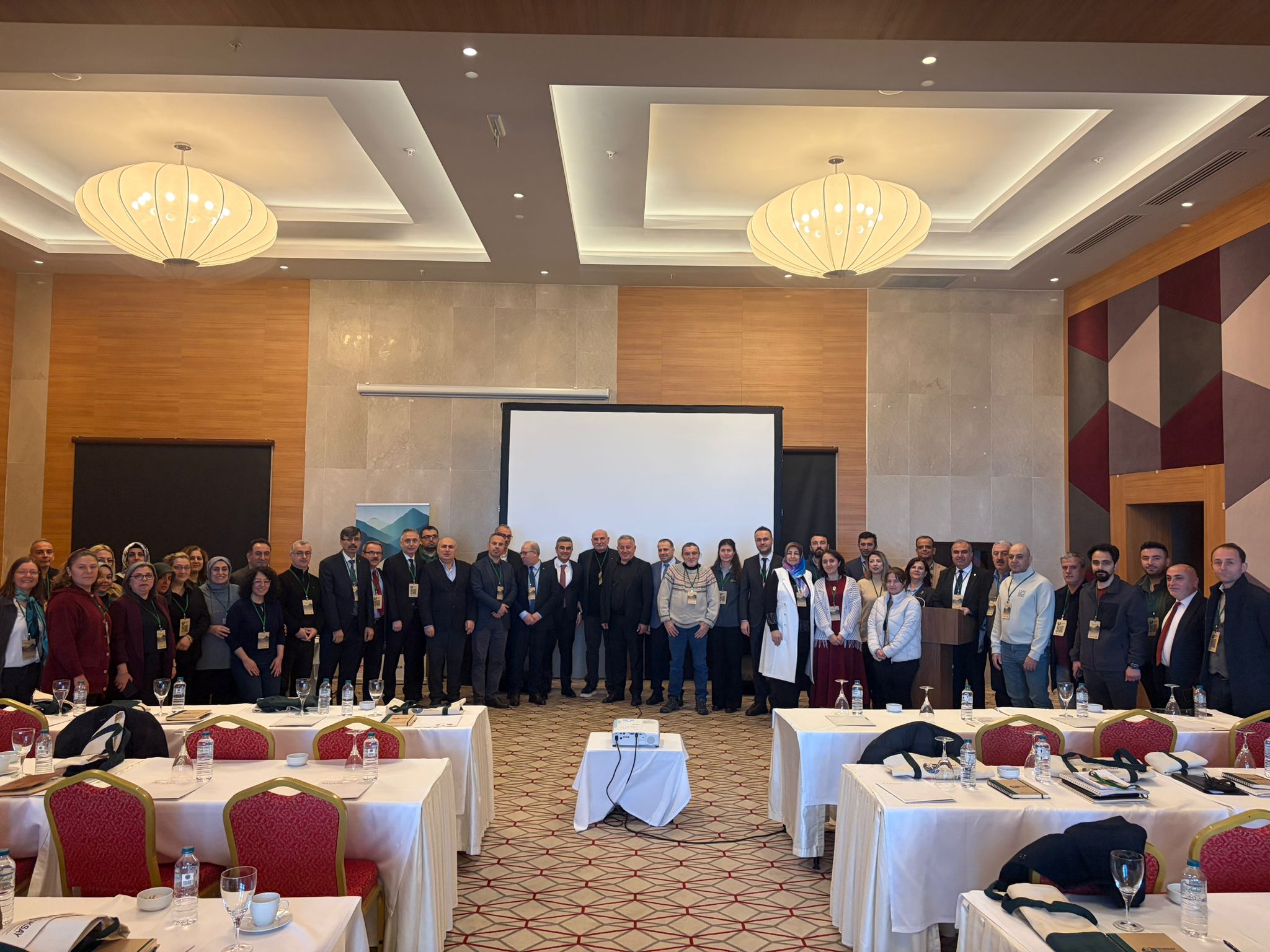
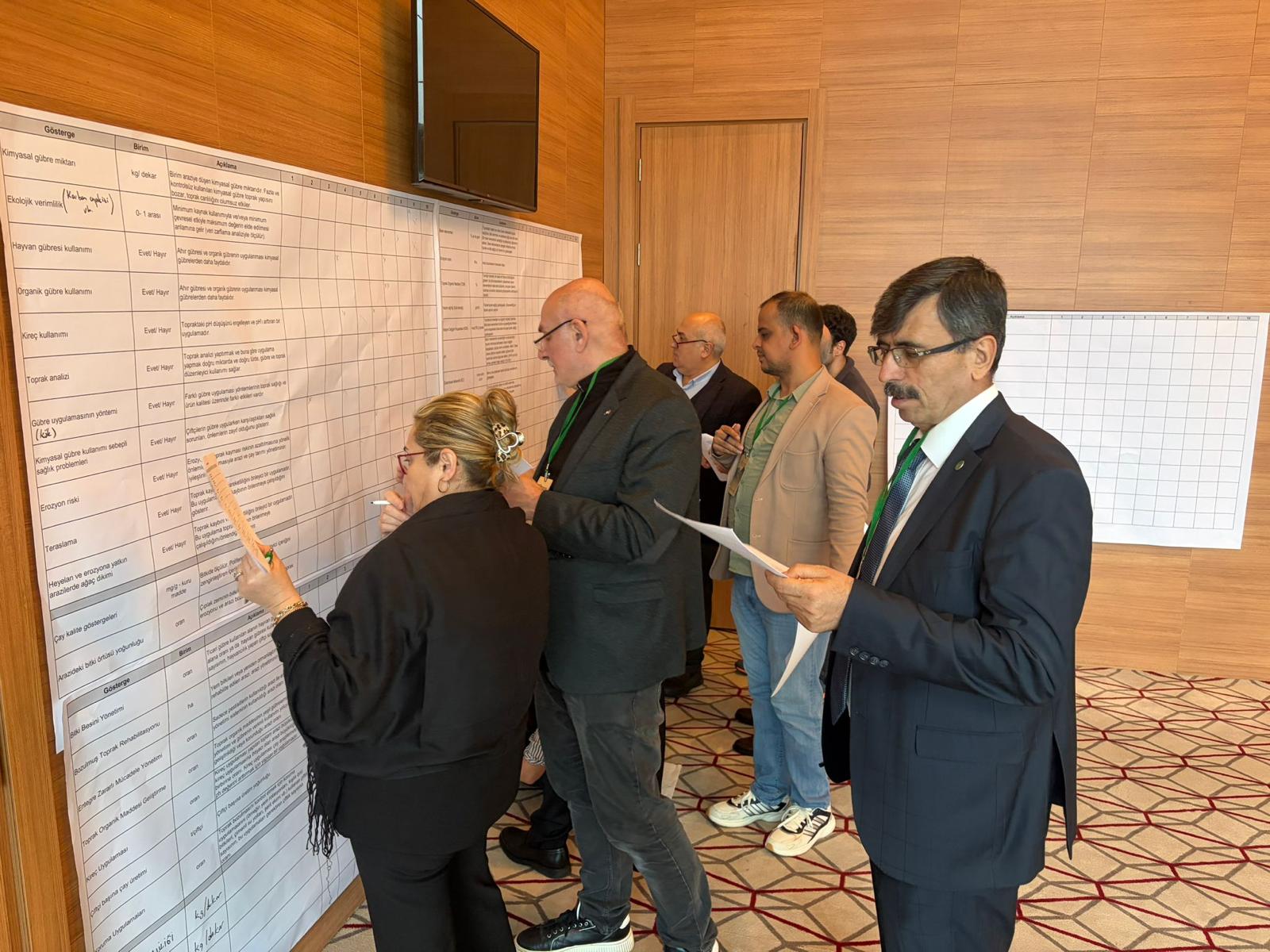
Within the scope of the Integrated Natural Resource Management Project in the Eastern Black Sea Region with a Very Humid Climate (DOKSAY), a workshop was organized during which agricultural, environmental, social, and economic indicators were identified to enhance the sustainability of tea farming in the Eastern Black Sea Region in the face of climate change, land degradation, and erosion risks.
Representatives from the Rize Provincial Directorate of Environment, Urbanization and Climate Change, Salarha Municipality, Recep Tayyip Erdoğan University, and the Nature Conservation Centre Foundation participated in the workshop. Bringing together public institutions, local authorities, universities, and civil society organizations, the event made a significant contribution to strengthening inter-institutional cooperation.
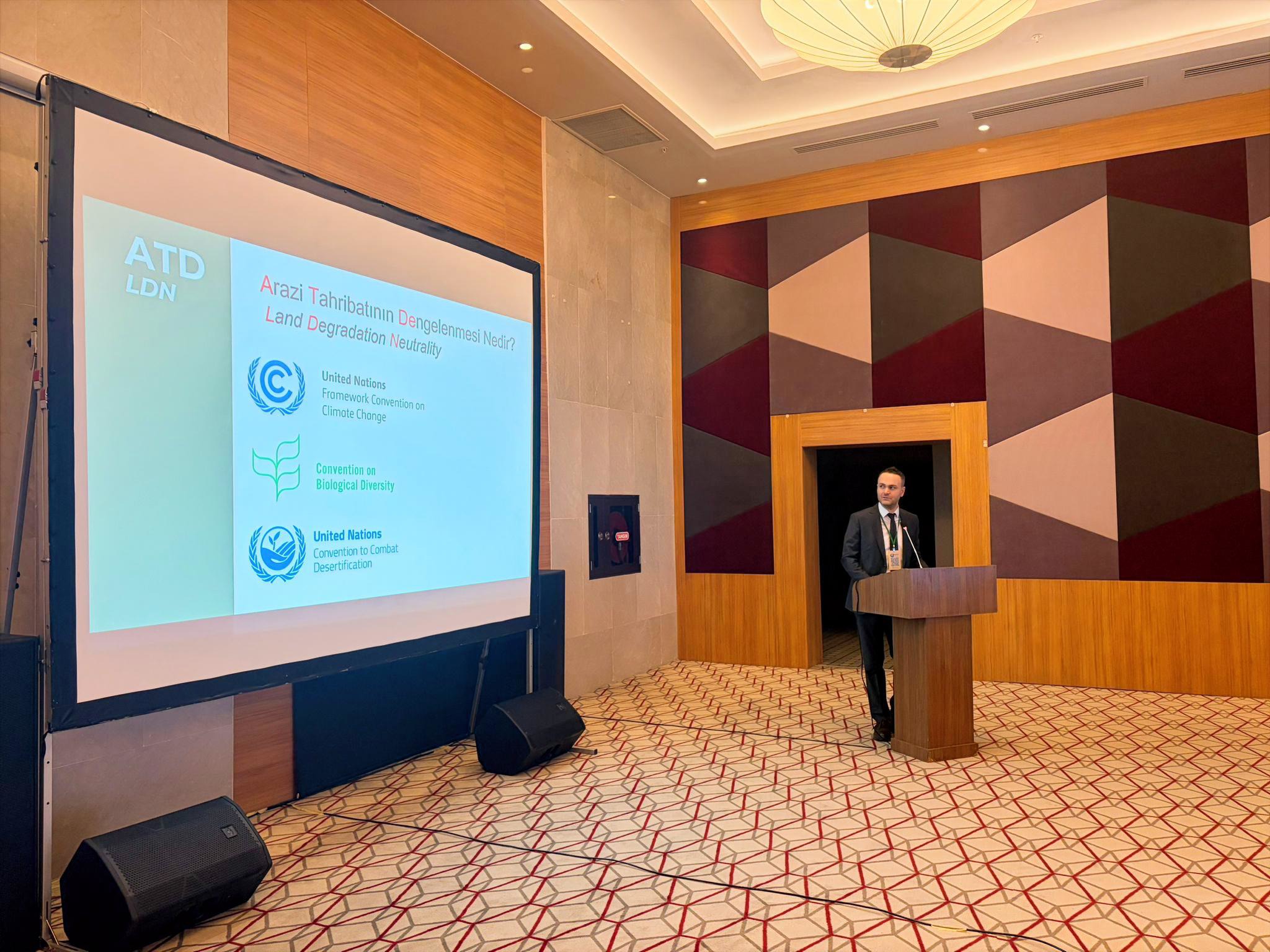
The opening speech of the program was delivered by Ali Serkan Savaş, Provincial Director of Environment, Urbanization and Climate Change in Rize. As part of the program, Environmental and Urbanization Specialist Kürşat Özcan gave an informative presentation on the concept of Land Degradation Neutrality (LDN) and related implementation approaches.
During the workshop, erosion and land degradation in tea farming, the impacts of climate change on production, and strengthening socio-economic sustainability were addressed as priority problem areas. Based on expert opinions, a set of indicators and criteria for sustainable tea farming was developed.
The Integrated Natural Resource Management in Very Humid Climatic Regions of the Eastern Black Sea Coastal Region in Türkiye (DOKSAY) Project is a project supported through GEF-7 cycle carried out in partnership with the General Directorate of Combating Desertification and Erosion Control (ÇEM) under the Ministry of Environment, Urbanization and Climate Change (MoEUCC), relevant governmental institutions, and with financial support from the Global Environment Facility (GEF). The project is being implemented by the Nature Conservation Centre (DKM) with the support from the United Nations Development Programme (UNDP).
The Integrated Natural Resource Management in the Very Humid Climatic Regions of the Eastern Black Sea Coastal Region in Türkiye Project
2026 DOKSAY - The Integrated Natural Resource Management in the Very Humid Climatic Regions of the Eastern Black Sea Coastal Region in Türkiye Project