Nature Education Organized for Children in 9 Schools in Rize
26 December 2025
26 December 2025
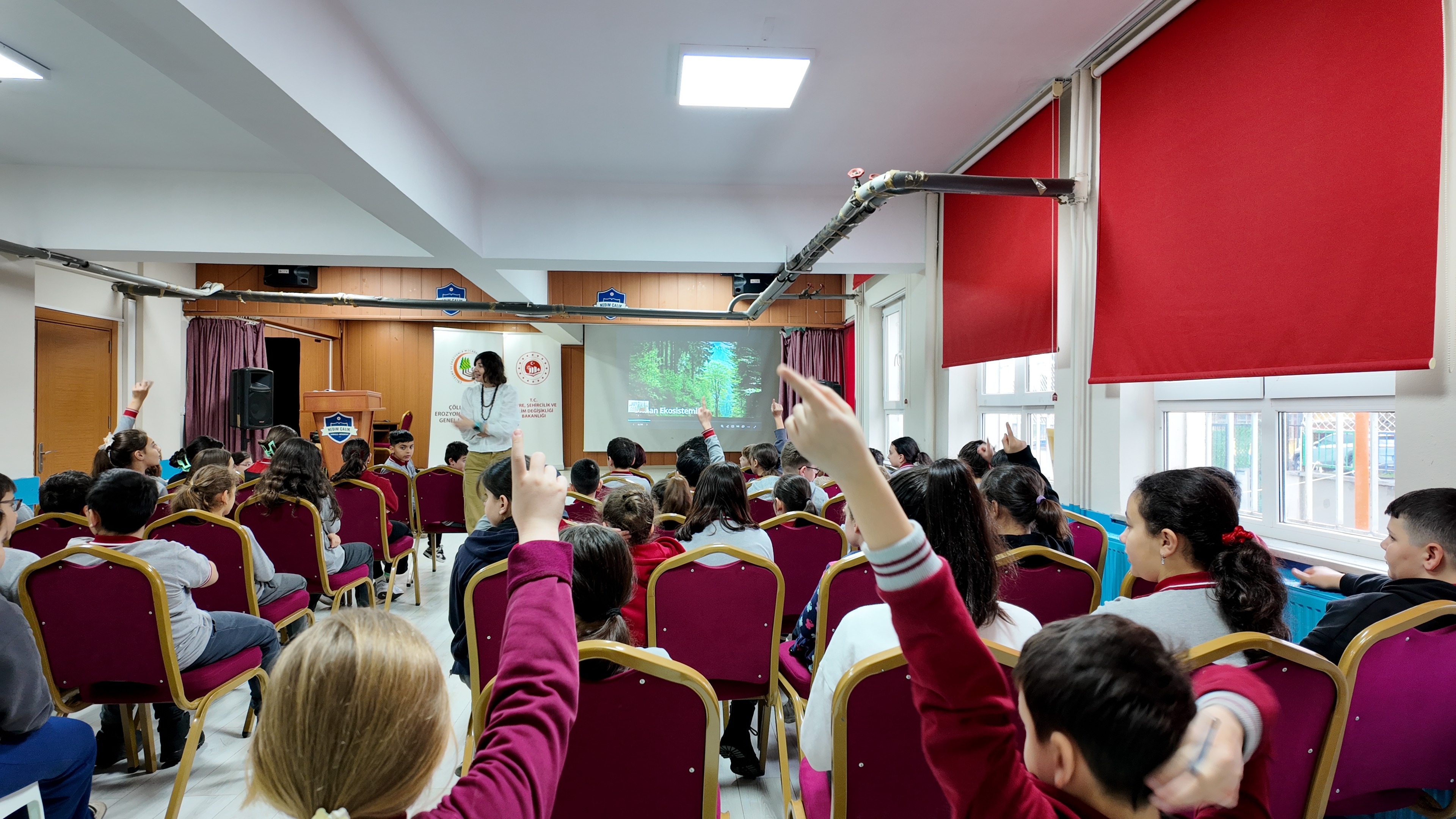
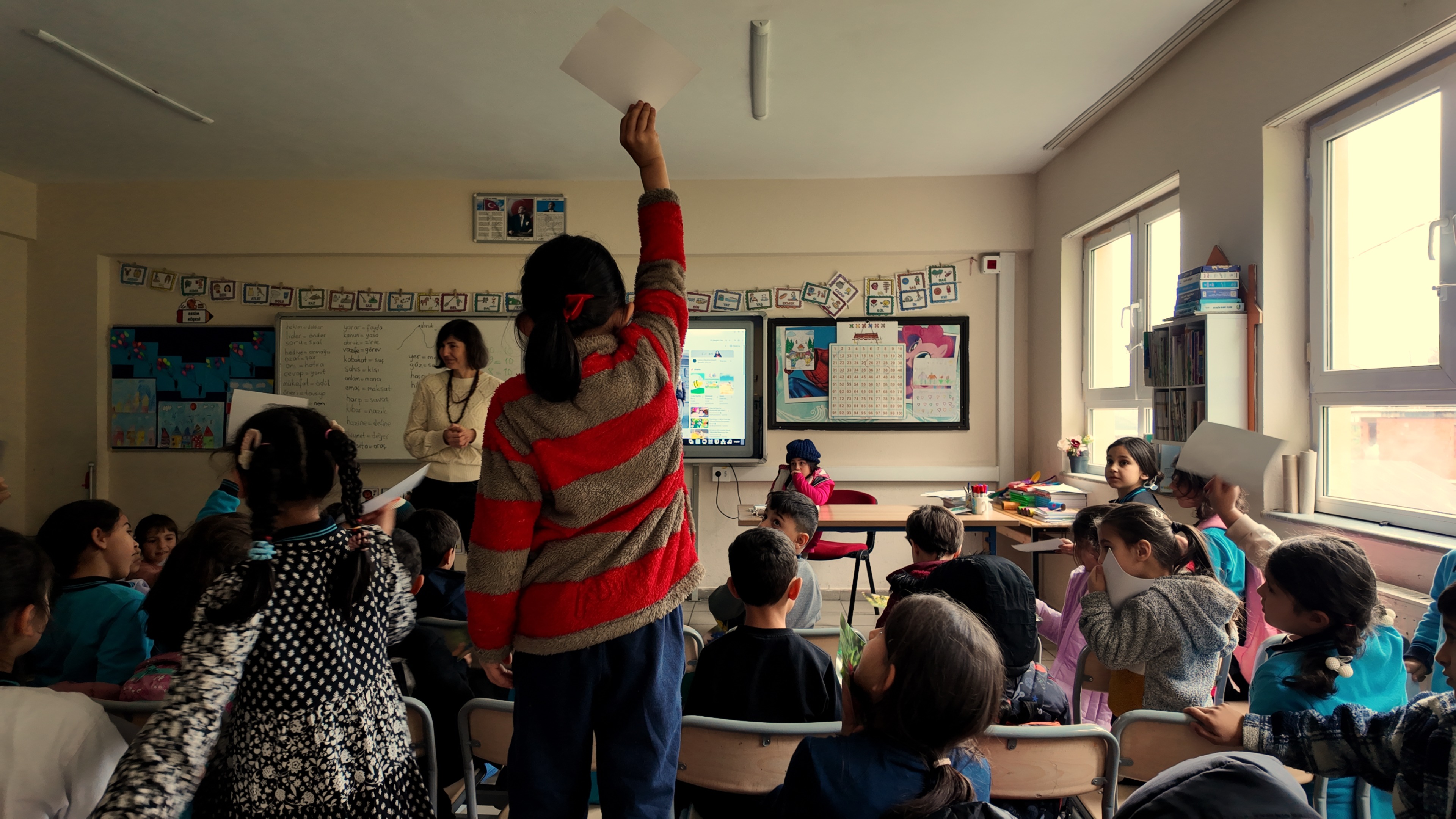
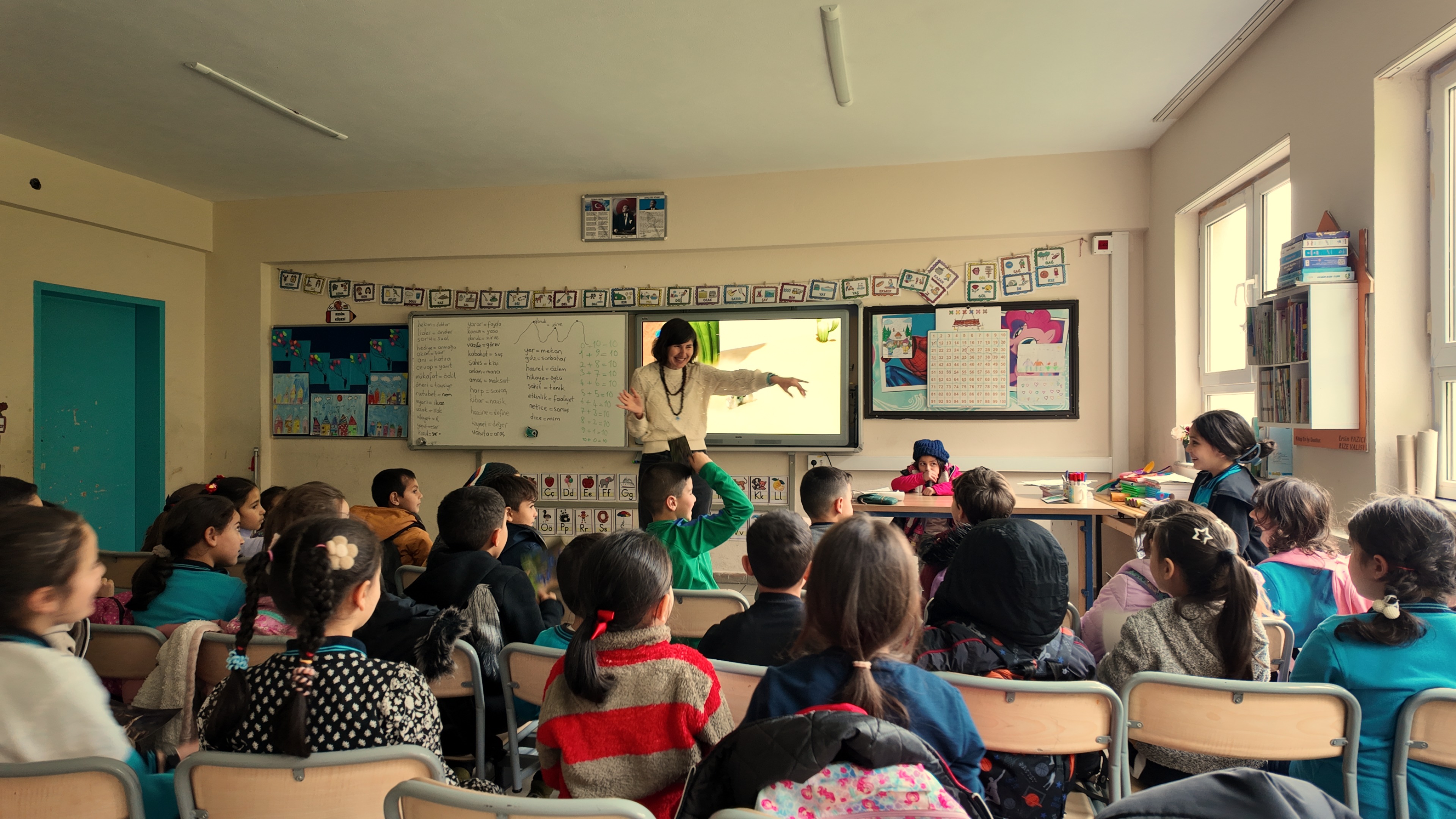
The trainings addressed topics such as ecosystem functioning, biodiversity, conservation of natural resources and soil, climate change, and the human–nature relationship, using interactive and hands-on methods appropriate to the children’s age groups. Supported by a game-based learning approach, the activities aimed to enhance students’ ecological literacy and to foster a sense of responsibility toward nature.
The nature education activities were conducted between 24–26 December with the participation of 610 students, in cooperation with and with the support of the Rize Provincial Directorate of National Education and school administrations. The participating schools included Dörtyol Şehit Halil Sadıkoğlu Primary and Secondary School, Şehit Nedim Çalık Primary and Secondary School, Kasarcılar Primary and Secondary School, Şehit Murat Çalışkaner Imam Hatip Secondary School, Kömürcüler Secondary School, Muradiye Primary School, Ambarlık Primary and Secondary School, Karasu Primary and Secondary School, and Küçükçayır Primary and Secondary School.
These educational activities carried out within the scope of the DOKSAY Project contribute to strengthening public awareness and participation, which constitute one of the most important on-the-ground components of the integrated natural resource management approach. It is emphasized that ecological awareness gained at an early age is of critical importance for the conservation and sustainable management of the region’s natural assets. Within the framework of the project, it is planned to continue training, information, and awareness-raising activities for different target groups in the coming period.
The Integrated Natural Resource Management (DOKSAY) Project in the Eastern Black Sea Region with a Very Humid Climate is coordinated by the General Directorate of Combating Desertification and Erosion of the Ministry of Environment, Urbanization and Climate Change of the Republic of Türkiye, and implemented in cooperation with relevant public institutions. The project is funded by the Global Environment Facility (GEF) and implemented by the Nature Conservation Centre (DKM) with the support of the United Nations Development Programme (UNDP).
The Integrated Natural Resource Management in the Very Humid Climatic Regions of the Eastern Black Sea Coastal Region in Türkiye Project
2026 DOKSAY - The Integrated Natural Resource Management in the Very Humid Climatic Regions of the Eastern Black Sea Coastal Region in Türkiye Project