Sustainable Land Management and Ecosystem Services Mapping Workshop Held
23 December 2025
23 December 2025
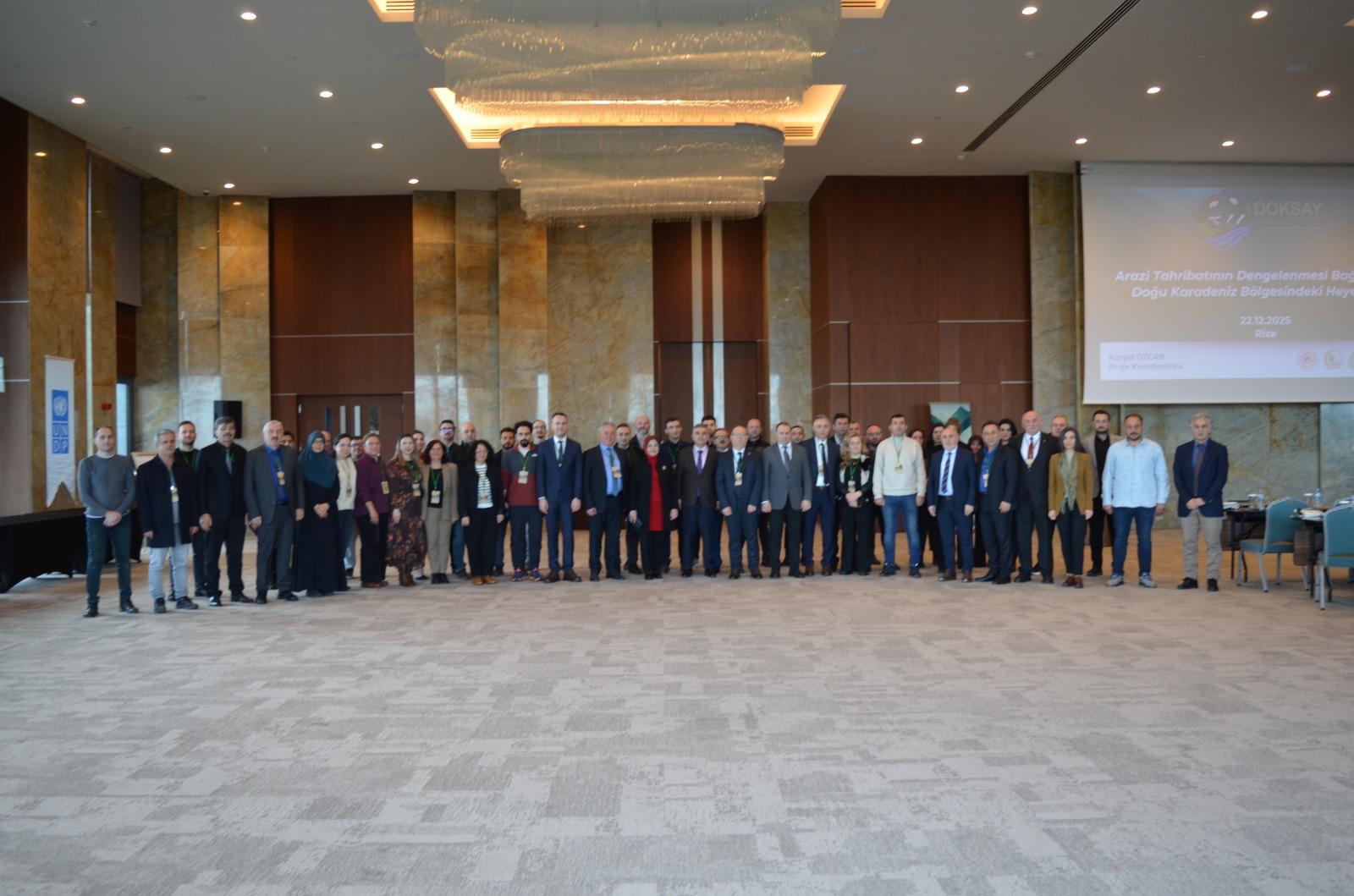
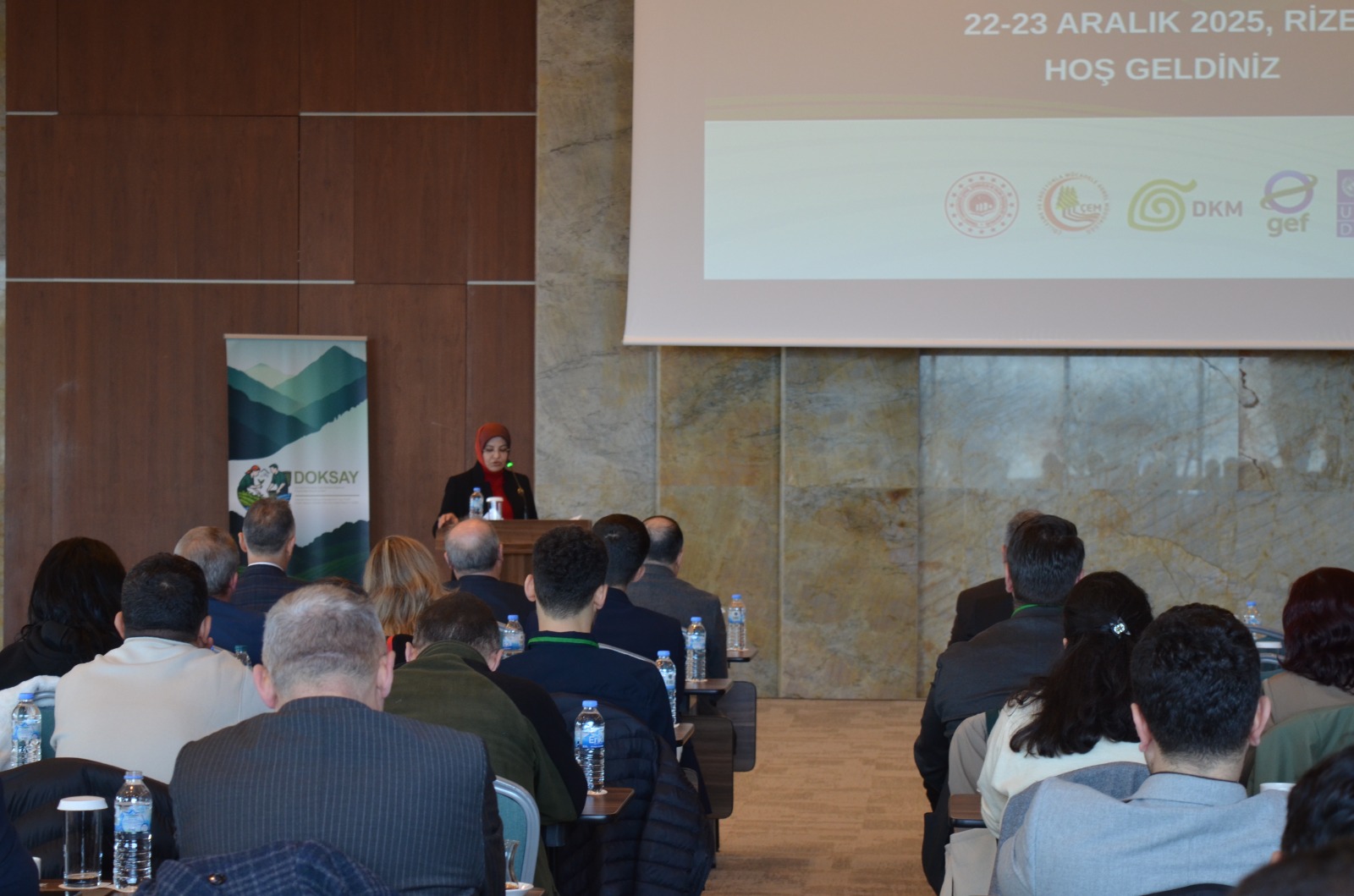
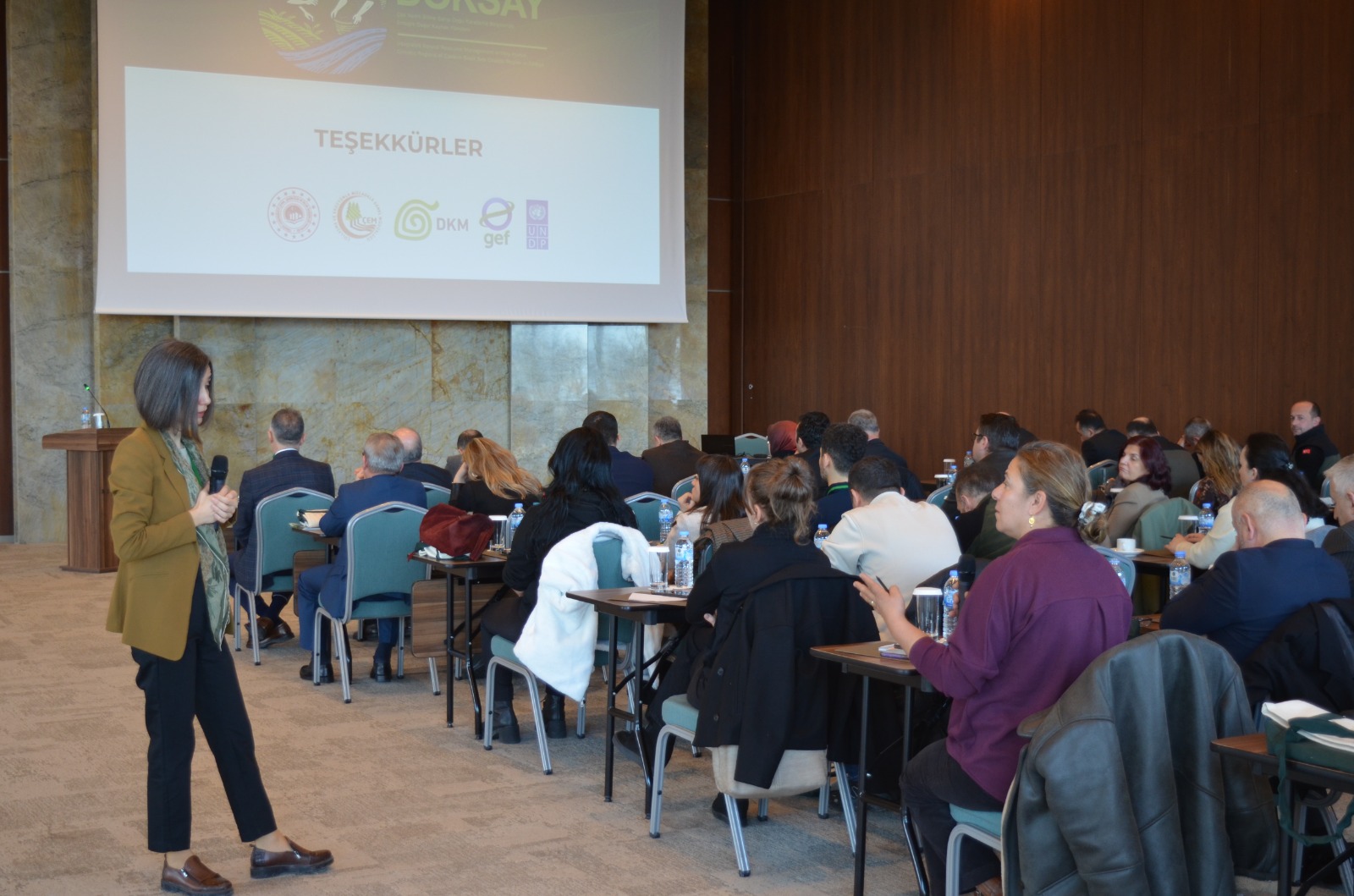
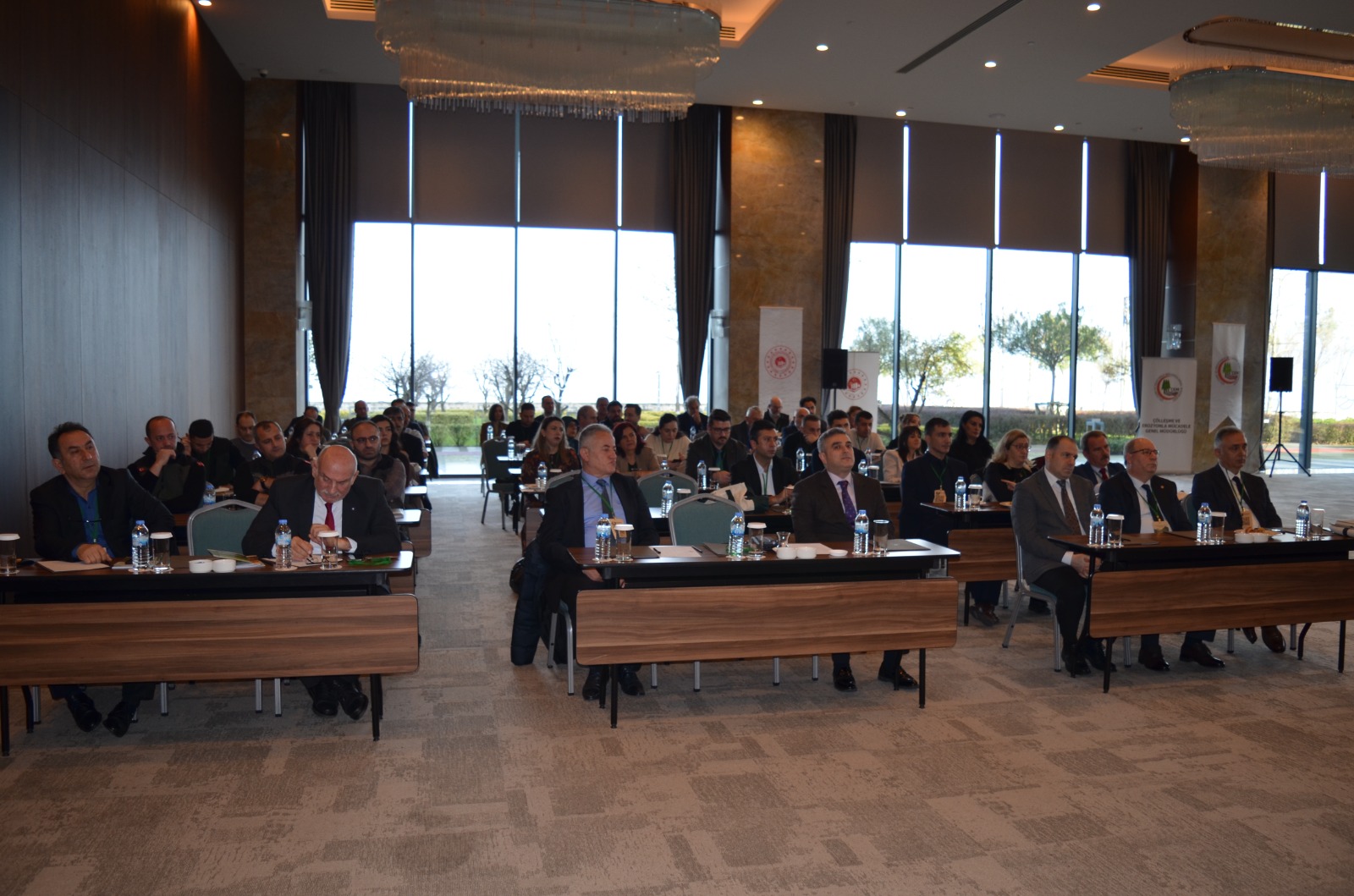
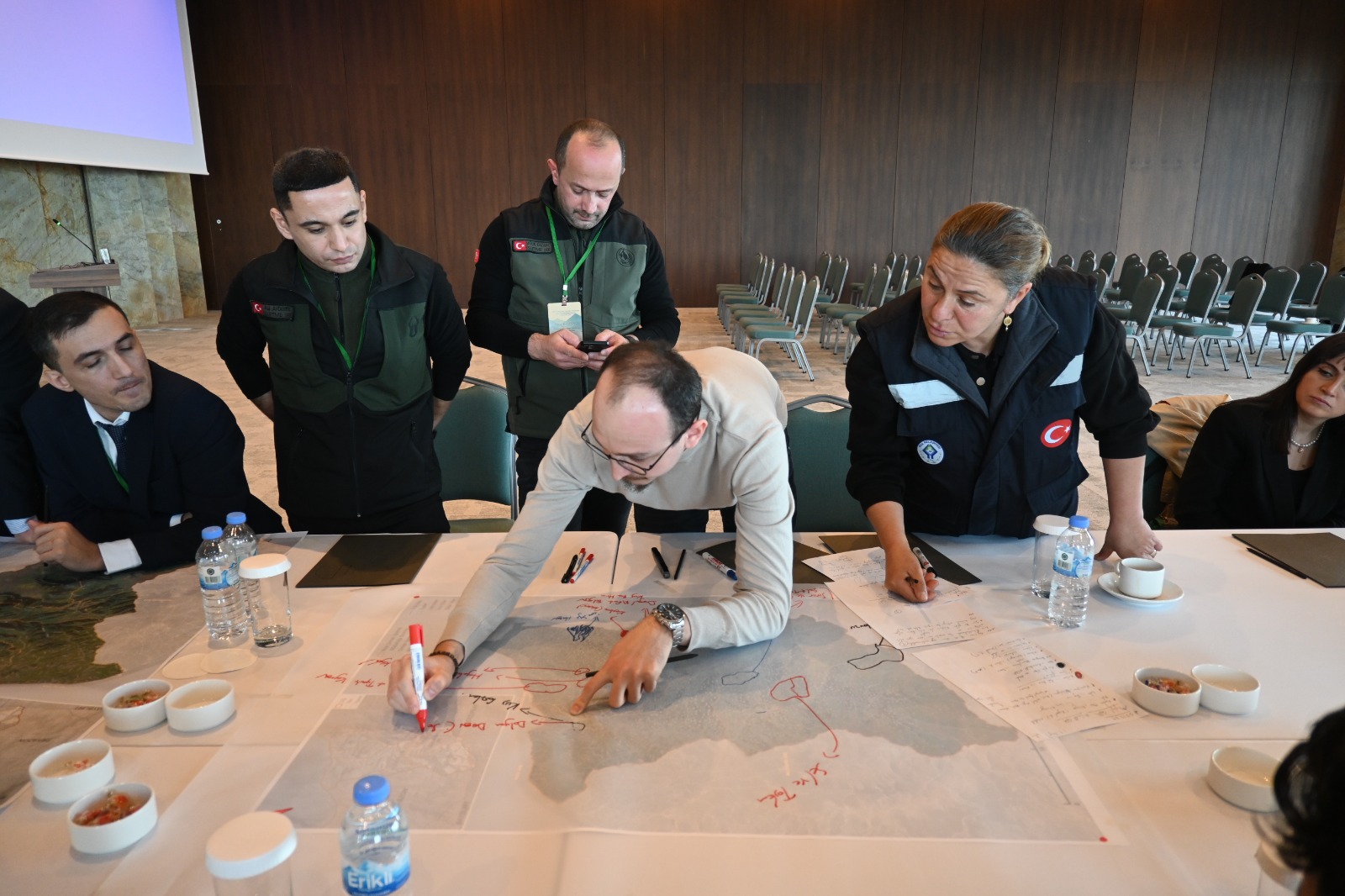
Within the scope of the Integrated Natural Resource Management (DOKSAY) Project in the Eastern Black Sea Region with a Very Humid Climate, the “Sustainable Land Management and Ecosystem Services Mapping Workshop” was held in Rize on 22–23 December.
The workshop was attended by representatives from the General Directorate of Combating Desertification and Erosion (ÇEM), Nature Conservation Centre (DKM), Recep Tayyip Erdoğan University, Rize Provincial Directorate of Environment, Urbanization and Climate Change, Trabzon Regional Directorate of Forestry, Rize Provincial Directorate of Agriculture and Forestry, Salarha Municipality, as well as chambers of agriculture and commerce.
During the workshop, sustainable land management practices in the Eastern Black Sea Region were discussed within the framework of the Land Degradation Neutrality (LDN) approach. The main causes of land degradation in the region, increasing ecosystem resilience, integration with forestry activities, and governance needs were evaluated from a multi-stakeholder perspective.
In order to enhance the capacity of participating institutions, the relationship between LDN and sustainable land management was addressed, and information was shared on good practices implemented in the field.
As a result of the workshop, a technical framework was developed to prioritize sustainable land management practices within the scope of LDN, and evaluations were carried out regarding the implementation of pilot applications in the project areas. Additionally, ecosystem services mapping specific to Rize was conducted.
The Integrated Natural Resource Management (DOKSAY) Project in the Eastern Black Sea Region with a Very Humid Climate is coordinated by the General Directorate of Combating Desertification and Erosion of the Ministry of Environment, Urbanization and Climate Change of the Republic of Türkiye, and implemented in cooperation with relevant public institutions. The project is funded by the Global Environment Facility (GEF) and implemented by the Nature Conservation Centre (DKM) with the support of the United Nations Development Programme (UNDP).
The Integrated Natural Resource Management in the Very Humid Climatic Regions of the Eastern Black Sea Coastal Region in Türkiye Project
2026 DOKSAY - The Integrated Natural Resource Management in the Very Humid Climatic Regions of the Eastern Black Sea Coastal Region in Türkiye Project